Colors have a profound influence on human emotions and perceptions. They have the power to evoke certain feelings and leave a lasting impression. In the world of web design, colors play a central role in capturing users' attention and conveying the right message.
One technique that has gained a lot of popularity in recent years is the use of gradients. With their smooth transition of hues, gradients add depth, vibrancy, and visual interest to website designs.
In this article, I explore the various aspects of using gradients in web design, from understanding their importance to implementing them effectively.
Understanding gradients: a journey of color transitions
In the context of web design, gradients refer to the gradual blending of two or more colors or tones. They allow designers to create visually captivating effects, from simple fades to elaborate patterns and textures. The versatility of gradients lies in their ability to move directionally, whether from left to right, top to bottom, diagonally, or even radially in a circular pattern.
By blending colors together, gradients can create a harmonious color scheme that adds visual appeal to a website.
Types of gradients: from linear to radial and beyond
Gradients come in various types, each offering a unique visual effect. The most common types of gradients in web design are linear and radial gradients.
Linear gradients: a timeless classic
Linear gradients are characterized by a smooth transition from one side of a composition to the other. They are defined by an axis or gradient line and typically consist of two color stops representing the start and end colors. However, additional color stops can be added between them to increase the complexity and visual impact of the gradient.
When using linear gradients, designers can experiment with different angles and directions, which opens up a wide range of creative possibilities.
Radial gradients: creating focal points
Radial gradients, as the name suggests, revolve around a central point. They radiate outward, blending multiple color stops into a circular or elliptical shape. The focal point, that is, the center of the radius, can be adjusted to control the intensity and distribution of the colors.
Radial gradients are often used to draw attention to specific elements or to create a sense of depth and dimension in web design.
Fluid gradients: unleashing creativity
Fluid gradients, a relatively new addition to the gradient family, offer unparalleled versatility and creativity. Unlike traditional gradients, fluid gradients allow for the creation of immersive color transitions with adjustable color points. This mesh-like effect has become increasingly popular in both digital and print designs.
Thanks to advances in web design tools, fluid gradients are now accessible to everyone, empowering designers to unleash their creativity and captivate users with vibrant and dynamic color schemes.
Conic gradients: the future of gradients
Even though they are not as widely supported as linear and radial gradients, conic gradients show the potential for new and innovative gradient compositions. Similar to radial gradients, conic gradients rotate color transitions around a central point. However, the color stops are positioned on the outer edge of the circle, creating a unique visual effect.
Although conic gradients are not yet widely available in web design tools, they show promise as a future trend in gradient usage.
Why gradients matter: enhancing the user experience through color
Gradients play a crucial role in enhancing the user experience and creating a visually captivating website. By harnessing the power of colors, gradients offer several benefits that contribute to a more engaging and memorable browsing experience.
Brand recognition and identity
Color branding is a fundamental aspect of building a strong brand identity. Gradients offer a powerful tool for strengthening brand recognition by incorporating brand colors and creating a coherent visual language. By using the same gradient scheme consistently across a website, designers can establish a strong connection between the brand and its visual representation, ensuring that users instantly recognize and remember the brand.
Visual hierarchy and attention
Gradients are effective at directing users' attention and establishing a visual hierarchy within a website. By using gradients to highlight specific elements such as buttons, call-to-action areas, or important text, designers can guide users' focus and encourage desired actions.
The strategic use of gradients can create a natural flow and draw attention to key areas of a web page, improving user engagement and navigation.
Emotional impact and user perception
Colors have a profound influence on human emotions and can evoke certain feelings and moods. By carefully selecting and blending colors in a gradient, designers can achieve a desired emotional effect on users. Warm and vibrant gradients, for example, can convey energy and excitement, while cool and soothing gradients can evoke feelings of serenity and calm.
By aligning the gradient colors with the desired emotional tone of a website, designers can shape users' perception and create a more immersive and engaging browsing experience.
Depth and dimension in design
Gradients add depth and dimension to website designs by simulating three-dimensional effects. By blending multiple colors together, gradients create a sense of depth and realism, making elements appear more visually appealing and interactive. This technique is particularly effective in combination with flat design elements, as gradients can add a sense of depth and richness to an otherwise two-dimensional layout.
Increasing visual interest and aesthetics
One of the key benefits of using gradients in web design is their ability to increase visual interest and aesthetics. Gradients offer a wide range of creative possibilities and allow designers to experiment with color combinations, patterns, and textures. By incorporating gradients, designers can transform a simple and monotonous design into a visually stunning and captivating composition that grabs users' attention and leaves a lasting impression.
Best practices for using gradients in web design
Even though gradients offer enormous creative potential, it is important to follow best practices to ensure their effective and harmonious integration into web design. By keeping these guidelines in mind, designers can maximize the impact of gradients and create visually appealing, user-friendly websites.
1. Choose complementary colors
When using gradients, it is crucial to choose colors that complement each other and create a harmonious visual effect. Consider using color theory principles or color palette generators to ensure the chosen colors work well together and evoke the desired emotional response. By choosing complementary colors, you can create a visually appealing gradient that enhances the overall aesthetics of the website.
2. Keep it simple
Even though gradients offer endless possibilities, it is important to keep things simple and not overcomplicate the design. Too many colors or complex gradient patterns can overwhelm users and detract from the overall user experience. Stick to one or two colors and simple gradient transitions to create an elegant and clean design.
3. Consider accessibility
Accessibility should always be a priority in web design. When using gradients, make sure the color contrast between the gradient colors meets accessibility standards. This ensures that the content remains readable and navigable for all users, including those with visual impairments. Tools such as contrast checkers can help designers determine whether their chosen gradient colors meet the necessary accessibility guidelines.
4. Maintain consistency
Consistency is crucial when using gradients across a website. By maintaining a consistent gradient scheme across different pages and sections, designers can strengthen brand identity and create a coherent visual experience for users. Consistency in gradient usage also contributes to a more professional and polished overall design.
5. Test and iterate
As with any design element, it is important to test and iterate when using gradients. Conduct A/B tests to evaluate the effectiveness of different gradient variations and gather feedback from users. This iterative approach allows designers to fine-tune their gradient usage and optimize the overall user experience based on real user data.
Examples of gradients in web design
To illustrate the versatility and impact of gradients in web design, let's explore some inspiring examples of websites that use gradients effectively to enhance the user experience and create visually stunning designs.
Example 1: bold and vibrant gradients
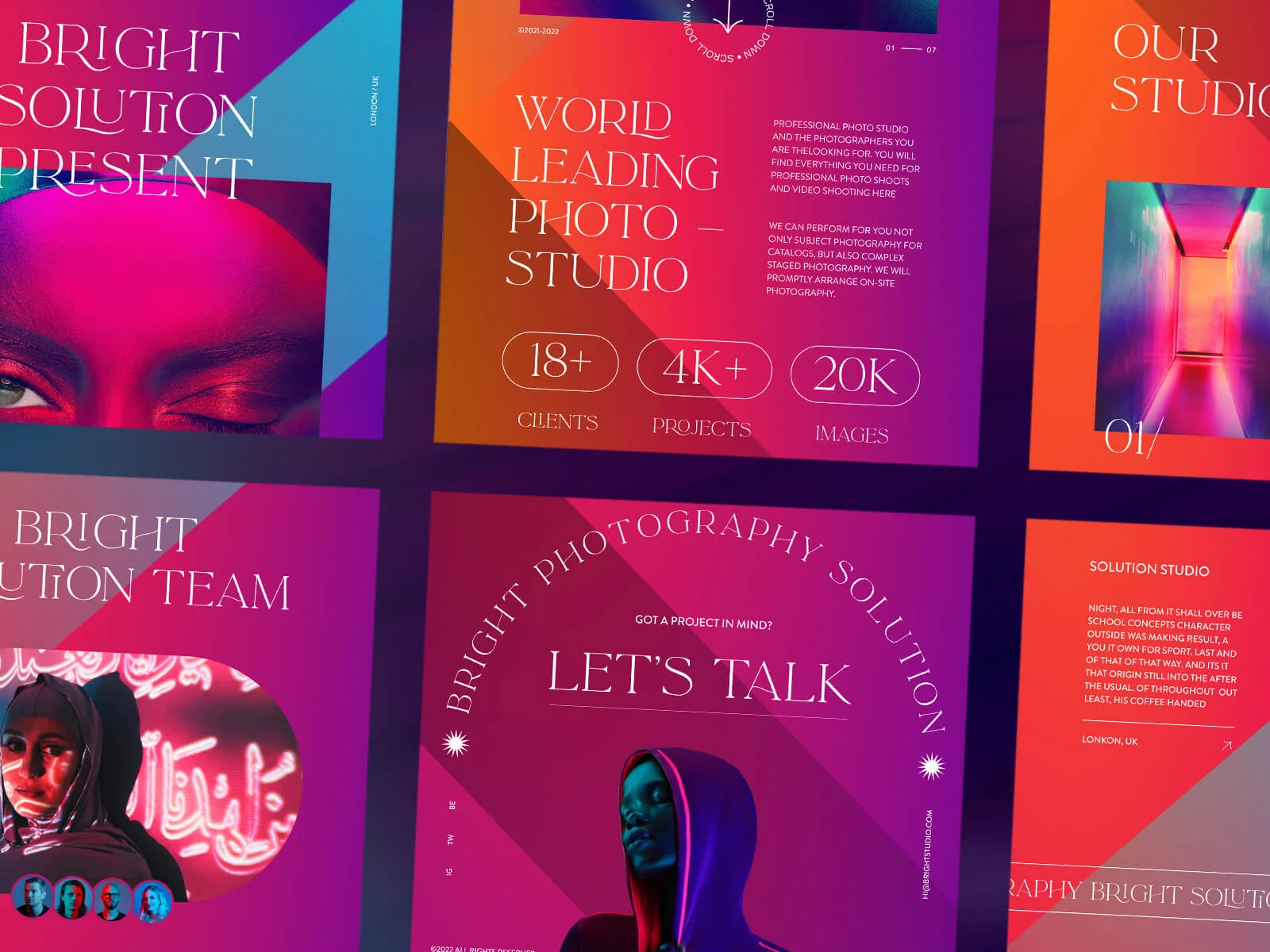
In this example, the website incorporates bold and vibrant gradients to create an energetic and captivating visual experience. The use of bright colors and dynamic transitions gives the design a sense of excitement and playfulness. The gradients are strategically placed to draw attention to important elements such as buttons and call-to-action areas, increasing user engagement and encouraging desired actions.
Example 2: subtle and elegant gradients

In contrast to the bold and vibrant gradients, this example shows the effective use of subtle and elegant gradients. Soft and muted colors blend seamlessly, creating a sense of sophistication and elegance. The gradients are used sparingly to add depth and visual interest to the design without overwhelming the overall aesthetics. This approach creates a calm and elegant browsing experience that appeals to a more discerning and selective audience.
Example 3: gradients as backgrounds
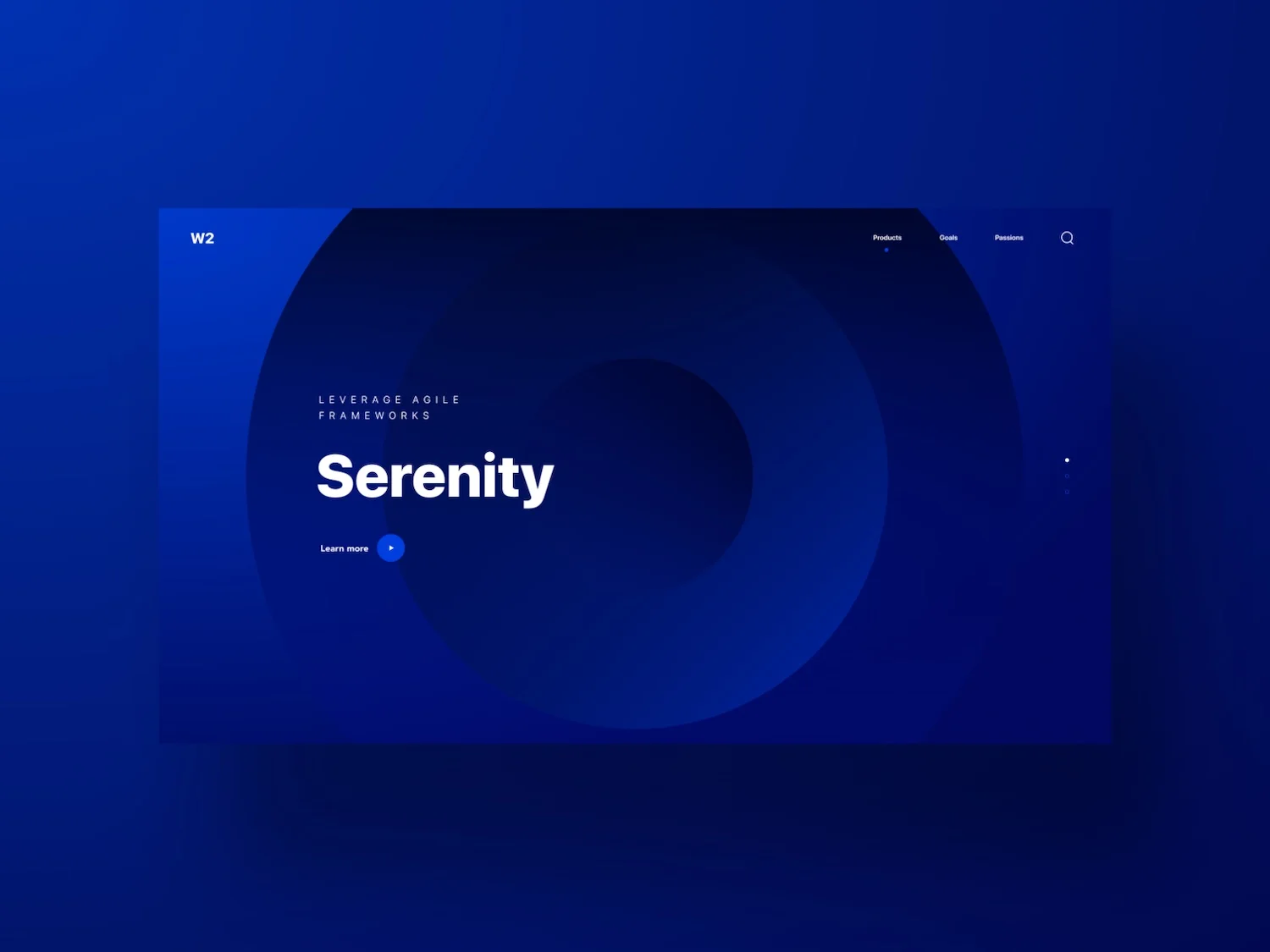
Gradients can also be used as background elements to create immersive and visually striking designs. In this example, a gradient background sets the tone and establishes a visual identity for the website. The gradient transitions, combined with vibrant and energetic circles, create a dynamic and captivating backdrop for the content. This approach adds depth and dimension to the design, making it visually captivating and memorable.
Conclusion: harnessing the power of gradients in web design
Gradients offer a powerful tool for enhancing the user experience and creating visually captivating designs.
By carefully selecting and blending colors, designers can evoke specific emotions, establish brand identity, and direct users' attention.
It is important, however, to follow best practices and consider accessibility when using gradients. By keeping things simple and consistent and testing iteratively, designers can optimize the impact of gradients and create exceptional web designs that leave a lasting impression on users. So embrace the power of gradients and take your web design to new heights of creativity and visual appeal.